What to Do During a Septic Emergency in Griffin, GA
A
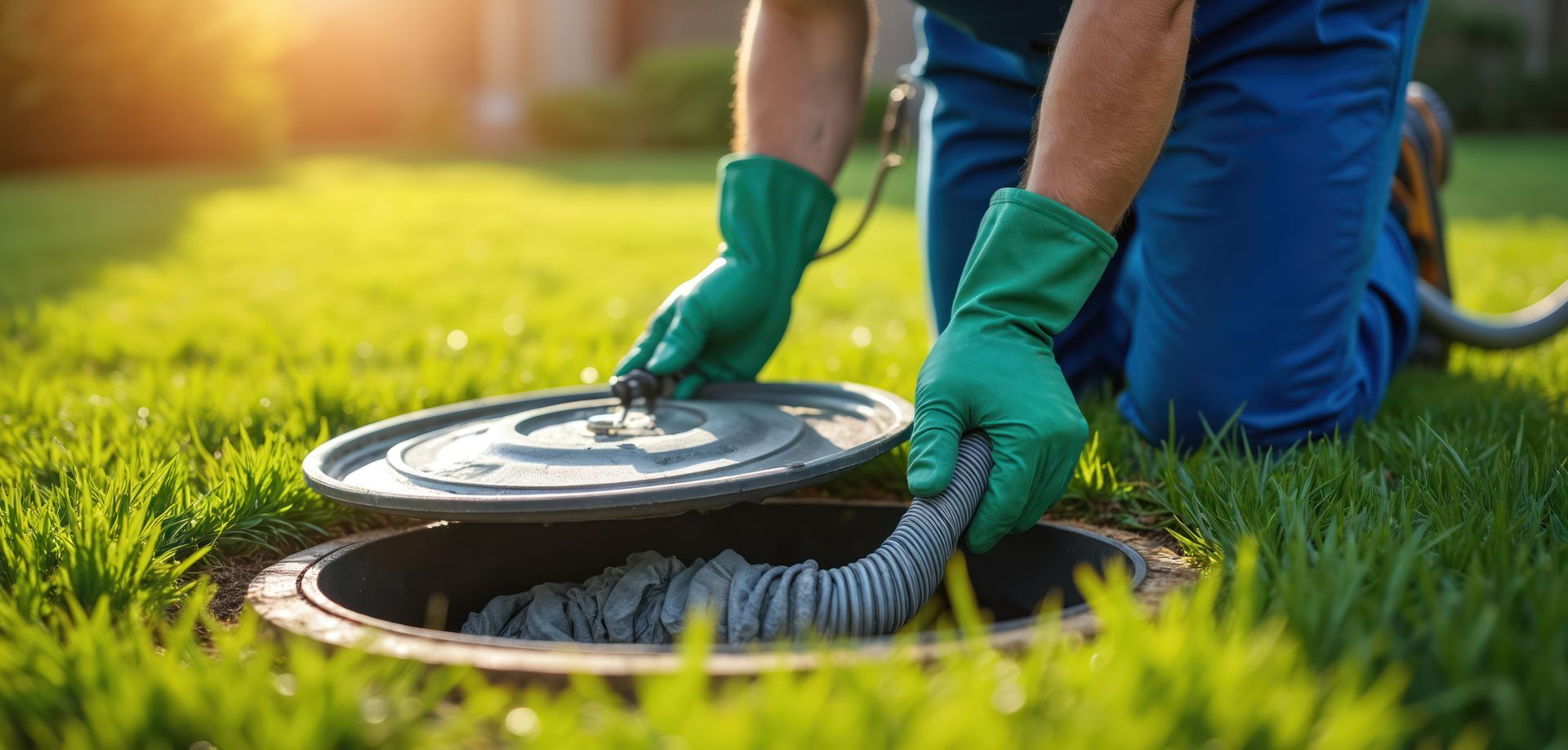
septic emergency can occur unexpectedly, often due to system blockages, heavy rainfall, or equipment failure, putting your home at serious risk of backups, overflows, and costly structural or landscaping damage. For residents in Griffin, GA, being prepared with a clear plan is essential. Knowing how to respond promptly during a septic crisis not only helps prevent further damage but also safeguards the health and safety of your household. In such situations, understanding the proper precautions, such as limiting water use, avoiding harmful chemicals, and securing the affected areas, can make a significant difference. This guide provides a step-by-step approach to handling an emergency, including immediate actions, safety measures, and guidance on how to efficiently coordinate with professional septic services for rapid resolution.
What to Do Before the Truck Arrives
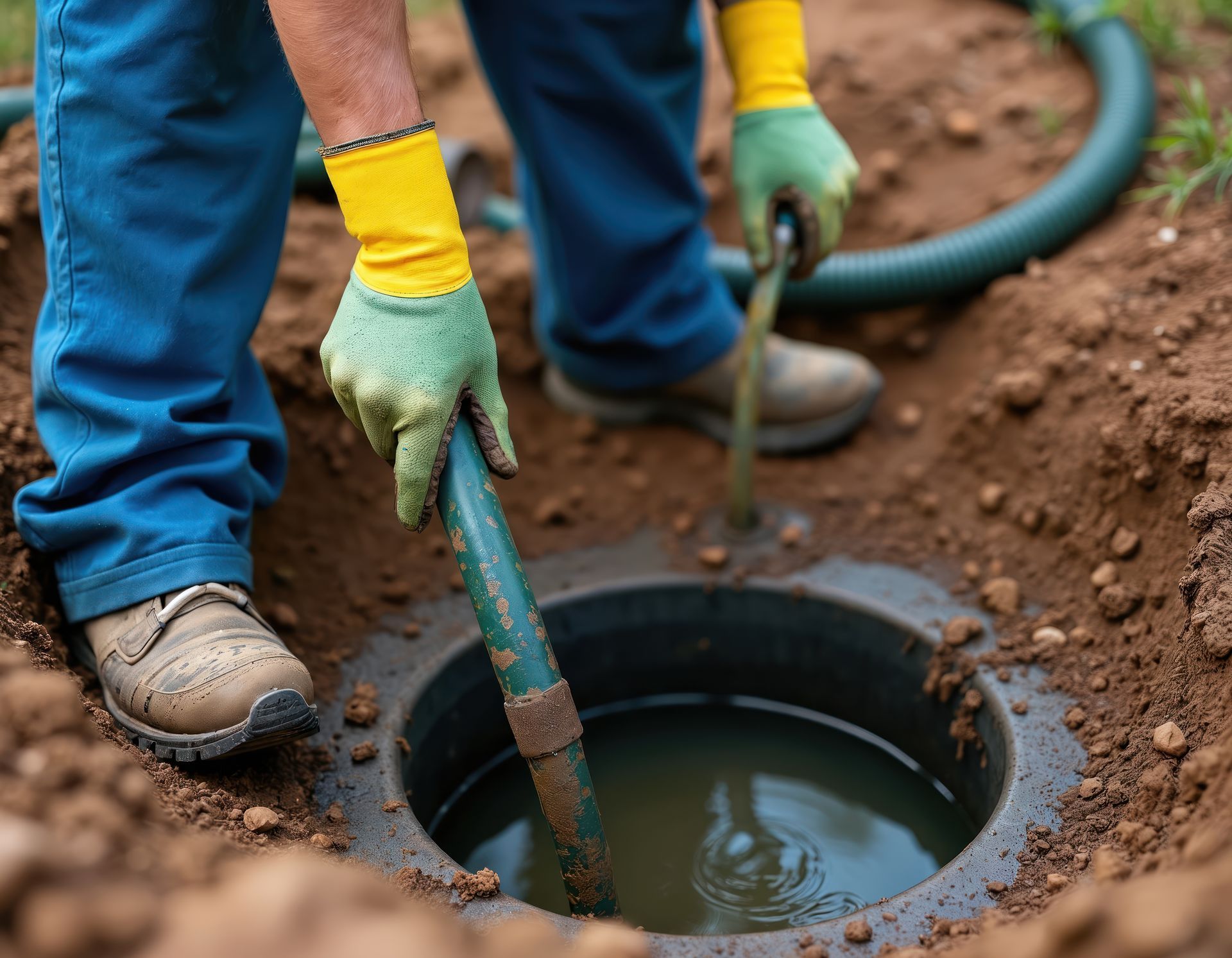
When facing an emergency, knowing exactly what to do before the professional truck arrives can make a huge difference in minimizing damage and keeping your home safe. Taking quick, measured actions can prevent the situation from worsening and protect both your property and your family’s health.
Follow these important steps:
- Stop all water usage immediately: Flushing toilets, running faucets, or using appliances like dishwashers and washing machines adds additional pressure to the failing system, which can intensify the backup or overflow.
- Turn off irrigation or outdoor water sources: Heavy rainfall or active sprinklers can saturate your septic field, slowing recovery and increasing the risk of further flooding.
- Secure the affected area: Keep children, pets, and unnecessary visitors away from the contaminated zones to reduce exposure to harmful bacteria or pathogens.
- Contain any spills: Use sandbags, absorbent materials, or temporary barriers to prevent sewage from spreading into your yard, garden, or basement.
- Protect belongings and property: Move furniture, rugs, or personal items away from flooded areas to prevent irreparable damage and simplify cleanup.
- Document the damage: Taking photos and notes can be essential for insurance claims and helps septic professionals assess the severity of the issue before arrival.
- Avoid DIY fixes or chemical solutions: Using harsh drain cleaners or attempting repairs yourself can worsen the situation, damage the system, and pose health risks.
- Keep pathways clear for emergency vehicles: Ensure the truck has easy access to your property to allow professionals to begin service immediately upon arrival.
Following these steps during an emergency helps contain the situation, reduces cleanup time, and ensures that when septic professionals arrive, they can address the problem safely and efficiently. Being prepared and acting calmly can make a critical difference in preventing costly repairs and long-term damage to your home and yard.
What NOT to Do During a Septic Emergency
During a septic emergency, knowing what actions to avoid is just as important as knowing what to do. Certain common mistakes can worsen the problem, increase repair costs, and create health hazards.
Here’s a list of things you should never do during a septic system backup or overflow:
- Do not flush additional toilets or run water: Adding more water can intensify backups and overflows.
- Avoid using chemical drain cleaners: Harsh chemicals can damage the septic system and harm beneficial bacteria needed for proper function.
- Do not attempt DIY repairs: Opening tanks or manipulating pipes without proper equipment and training is extremely hazardous.
- Do not ignore foul odors or standing water: These are signs that the system may be compromised and need immediate professional attention.
- Do not allow pets or children near affected areas: Exposure to contaminated water can pose serious health risks.
How to Minimize Damage and Be Prepared During a Septic Emergency
A septic emergency can cause significant damage to both your home and yard if not managed carefully. Taking proactive steps while waiting for professional help can save time and money and prevent long-term issues.
Here’s how to minimize damage and why having a trusted provider’s number saved in advance is crucial:
- Limit water usage immediately: Stop running faucets, showers, or appliances to prevent additional pressure on the system.
- Protect flooring and furniture: Move rugs, furniture, and personal items away from affected areas to reduce contamination and damage.
- Contain sewage spills: Use sandbags, tarps, or temporary barriers to prevent sewage from spreading into your yard, landscaping, or basement.
- Redirect runoff: If safe, channel water away from your home’s foundation and septic field to reduce soil and structural damage.
- Save a trusted provider’s contact number: Having a septic services professional ready to call ensures rapid response, minimizes risks, and provides peace of mind during an emergency.
- Document damage for insurance purposes: Photos and notes can be critical for claims and for guiding professionals on the severity of the problem.
If you’re facing a septic emergency in Griffin, GA, don’t wait until the situation worsens. Contact us your trusted septic services immediately to ensure fast, safe, and effective solutions. Acting quickly can protect your home, yard, and family while minimizing costly damage.